
Context
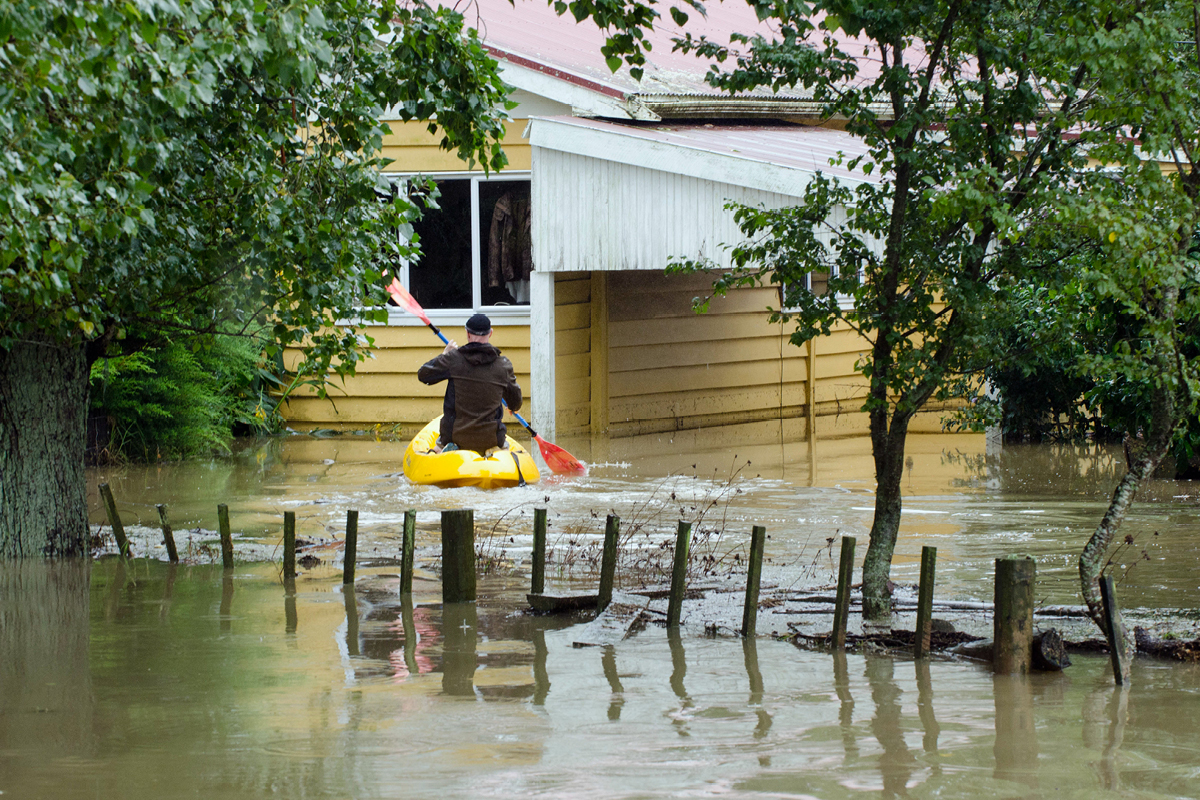
Queensland is Australia’s most disaster-affected state, with communities facing increasingly frequent, severe and compounding events.
During 2024–25, 73 of Queensland’s 77 local government areas were activated for disaster recovery, and Neighbourhood Centres accounted for half of the Queensland Government’s Community Recovery Hubs.
Neighbourhood Centres are an essential part of Queensland’s community infrastructure. Their trusted local relationships, community knowledge and place-based approach enable them to support people before, during and long after disasters.
As pressure on emergency services and formal disaster management systems grows, strengthening this local infrastructure is increasingly important.
The Challenge
Neighbourhood Centres play a critical role in community-led disaster resilience, providing practical assistance, psychosocial support, community connections and pathways to long-term recovery.
Yet the sector faces growing demand without the sustained investment and coordination needed to strengthen its capacity.
Short-term, disaster-specific funding limits opportunities to build workforce capability, coordinate responses across regions and invest in long-term resilience. Staff and volunteers face increasing pressure, with limited mechanisms for sharing resources or providing workforce relief during major events.
NCQ’s Queensland Neighbourhood Centres Strategy for Disaster Resilience 2023–2026 established a strong foundation for sector development. However, ongoing funding is needed to renew the Strategy, coordinate its implementation and respond to emerging challenges.
The Opportunity
Investing in Neighbourhood Centres is an opportunity to strengthen the community infrastructure Queensland relies on when disasters strike.
Through a coordinated, statewide approach, NCQ can build on existing sector strengths, strengthen regional collaboration and equip Neighbourhood Centres to better support their communities across all phases of disaster resilience.
Long-term investment would enable the sector to move beyond short-term responses towards sustained preparedness, shared capability and community-led recovery.
Our Approach
NCQ is seeking a three-year investment to deliver the Queensland Neighbourhood Centres Disaster Resilience Program, strengthening the sector’s capacity to prepare for, respond to and recover from disasters.
Working alongside Neighbourhood Centres, regional networks, communities and disaster management stakeholders, the program will focus on five priorities:
- Renewing the statewide strategy: Co-develop an evidence-based Queensland Neighbourhood Centres Strategy for Disaster Resilience 2027–2029, reflecting emerging risks, lessons from past disasters and the evolving needs of communities and Centres.
- Developing a mutual-aid model: Co-design a Centre-to-Centre workforce support model that enables Centres to share expertise, resources and workforce capacity during major disaster events.
- Building workforce capability: Strengthen the knowledge, skills and preparedness of staff and volunteers through shared learning, training and practical resources.
- Strengthening regional collaboration: Support Neighbourhood Centre regional networks to improve coordination, build partnerships and strengthen connections with local disaster management arrangements.
- Increasing sector recognition: Build awareness of the role and value of Neighbourhood Centres in disaster resilience, informing policy, partnerships and future investment.
The program will prioritise equitable participation, regional and rural inclusion, culturally safe engagement and community-led approaches.
Anticipated Results
Over three years, the program aims to deliver:
- A renewed Queensland Neighbourhood Centres Strategy for Disaster Resilience 2027–2029, supported by coordinated implementation.
- A co-designed Centre-to-Centre mutual-aid workforce model.
- Increased access to disaster resilience learning, training and practical resources for Centre staff and volunteers.
- Stronger regional networks and partnerships with disaster management stakeholders.
- Greater recognition and understanding of Neighbourhood Centres’ contribution to disaster resilience.
- Shared evidence and learning to inform future policy, practice and investment.
Long-Term Impact
This initiative aims to establish a stronger, more coordinated and sustainable Neighbourhood Centre sector, better equipped to support communities through increasingly complex disasters.
Expected long-term benefits include stronger community preparedness and recovery, improved workforce sustainability, reduced staff and volunteer burnout, and greater integration of Neighbourhood Centres within Queensland’s disaster management system.
By strengthening the capacity of more than 155 Neighbourhood Centres, this investment has the potential to support disaster resilience across communities throughout Queensland.
Support Sought
NCQ is seeking $360,000 in funding over three years to deliver the Queensland Neighbourhood Centres Disaster Resilience Program.
This investment will support:
- Statewide program coordination and sector development.
- Strategy renewal and implementation.
- Co-design and development of the mutual-aid workforce model.
- Workforce learning, training and resource development.
- Regional engagement, travel and collaboration.
- Monitoring, evaluation and sharing of outcomes.
Funding required: $360,000 ($120,000 per year)
Project duration: Three years, proposed 2027–2029
Partners and collaborators: Neighbourhood Centres, regional networks, disaster management stakeholders and community partners, with additional funding and collaboration partners sought.
Help Bring This Initiative to Life
We welcome conversations with philanthropic organisations, funding partners and collaborators who share our vision for stronger, more disaster-resilient communities.
To learn more about this initiative or explore opportunities to support its delivery, please get in touch with NCQ.
Explore Our Existing Work
- Queensland Neighbourhood Centres Strategy for Disaster Resilience 2023–2026
- Disaster Resilience Strategy implementation and community-led disaster resilience case studies