
When someone visits their GP because they’re lonely, socially isolated or struggling to connect with their community, the support they need may go well beyond what can be offered in a medical appointment.
At Mount Gravatt Community Centre, the Ways to Wellness program is helping bridge the gap between healthcare and community support, connecting people with the relationships, activities and services that can improve their wellbeing over time.
The Centre was among the first in South East Queensland to introduce social prescribing and has been delivering the program for seven years.
Addressing the needs that healthcare alone cannot meet
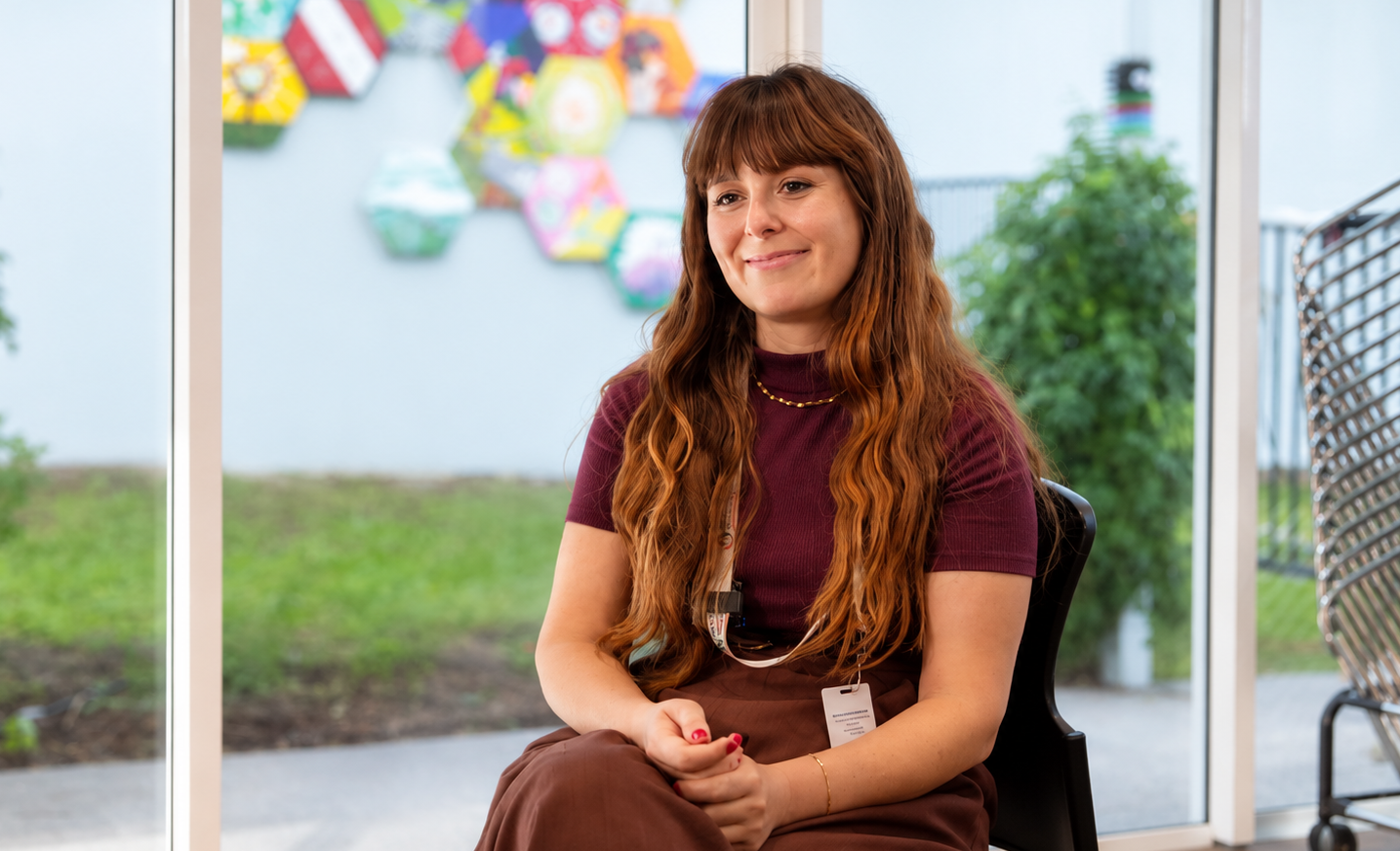
Evey Skinner, who leads the Ways to Wellness program as a Link Worker, sees firsthand the importance of addressing people’s social needs alongside their physical and mental health.
“There’s a really interesting literature review that finds that 10% of patients take up 30 to 50% of GP appointment times,” Evey explains.
“That’s generally due to unmet needs like social isolation and loneliness.”
With GPs facing increasing demand, finding the time to understand and respond to complex social needs can be challenging.
“GPs are inundated at the moment. They do not have the time to be able to have that conversation with patients.”
Social prescribing offers a different pathway. When a GP identifies someone experiencing loneliness or social isolation, they can refer them to a Link Worker like Evey, who takes the time to understand their circumstances and help them reconnect with their community.
Rather than focusing on a single appointment or immediate solution, the approach recognises that improving wellbeing often requires ongoing relationships and support.
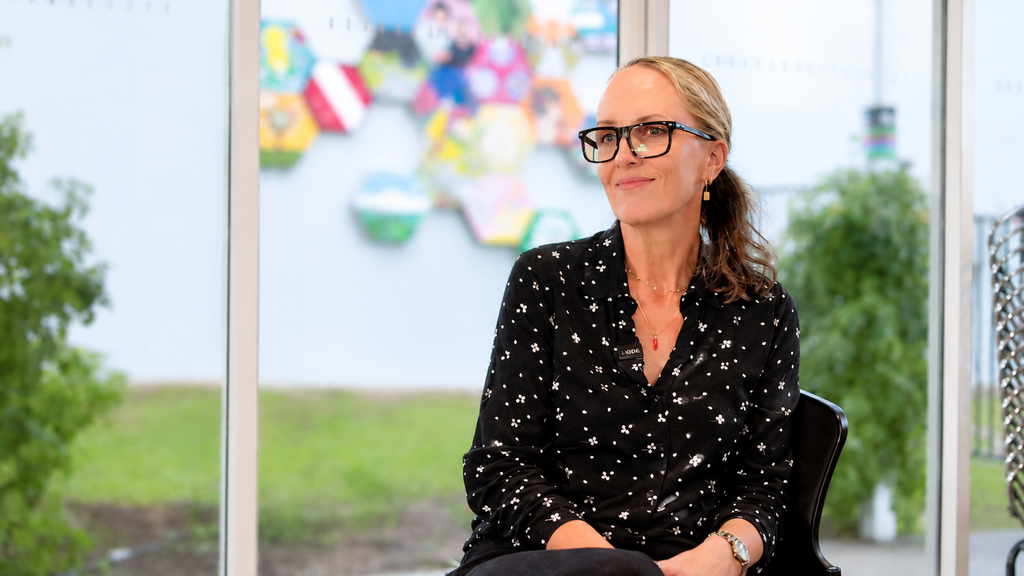
“What we say when people present is that they’re not looking for one-off solutions. When they present to us, what they’re looking for is connections and supports that will help them build capacity and capability over time” says Jane Webster, CEO of Mount Gravatt Community Centre.
Walking alongside people towards better wellbeing
At the heart of Ways to Wellness is the Link Worker, whose role goes far beyond simply referring people to services.
“What we do is essentially help people who might be socially isolated, they might be lonely, they may even just be new to the area, to have a conversation with them about what matters to them,” Evey explains.
Through these conversations, Evey helps people identify opportunities for connection and take steps towards participating in community life.
“It’s not just a referral point, it’s a really relational person who sits and gives that really centralised support to the individual.”
“Essentially what the Link Worker does is they walk alongside that person as they reconnect back into services and community again.”
This relationship-based approach helps address the barriers that can prevent people from seeking support or finding meaningful social connections.
A community response to a growing health challenge
Loneliness is more than an emotional experience. It can have significant consequences for physical and mental health.
“One in three Australians are lonely, which is massive, and one in six Australians are chronically lonely,” Evey explains.
Evey also highlights research associating loneliness with increased risks of chronic disease, depression and social anxiety.
For Evey, these challenges reinforce the importance of recognising social connection as an essential part of health and wellbeing.
“When you think about health, it isn’t just the absence of illness, it is our social, it’s our physical and it’s our mental health.”
By helping people address the social factors affecting their wellbeing, Mount Gravatt Community Centre’s Ways to Wellness program offers a valuable complement to traditional healthcare, with the potential to reduce avoidable demand on already stretched health services.
For someone experiencing isolation, the impact can begin with something as simple as being heard. And for a healthcare system under pressure, connecting people with the right community support offers a different way forward, one that recognises that better health isn’t achieved through medical care alone.
Filming and production: Joel Thomas