
Context
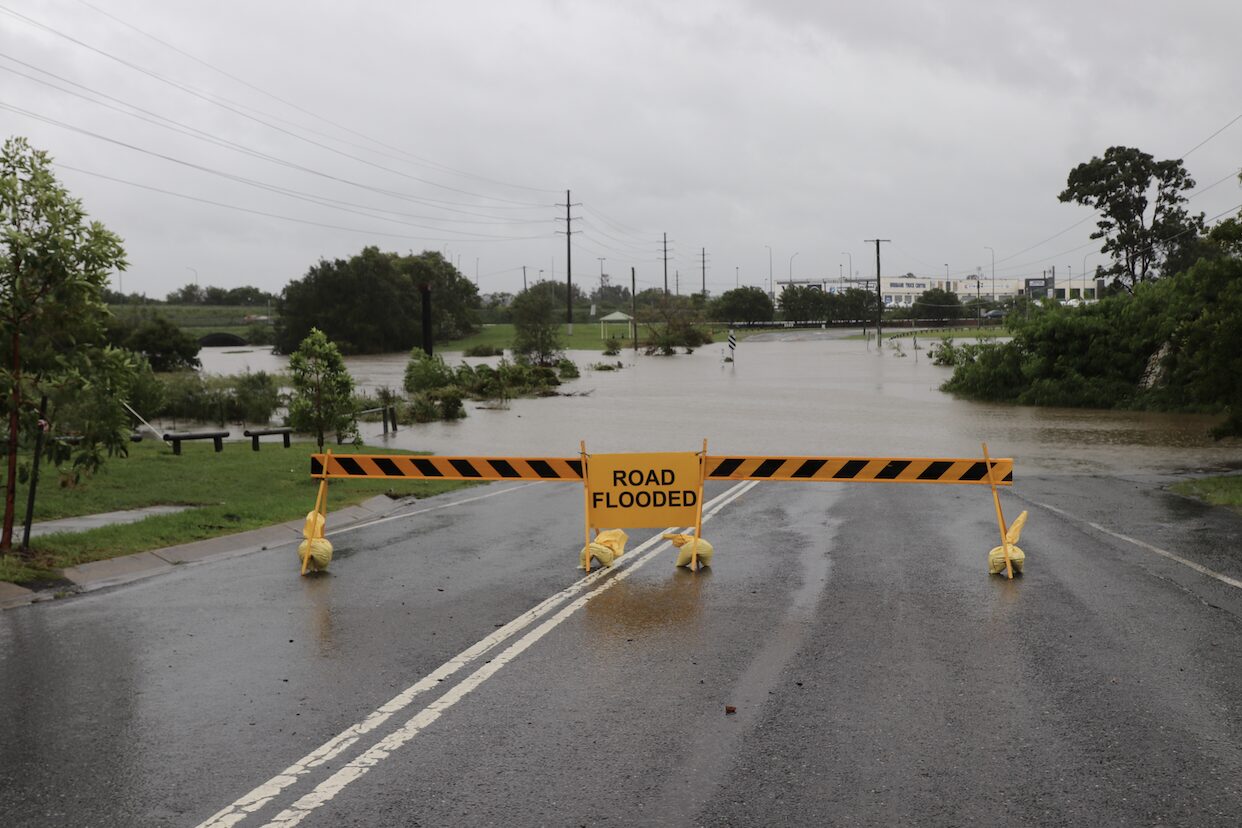
Queensland is the most disaster-impacted state in Australia. As disasters become more frequent and intense, community organisations play an increasingly important role in helping local communities prepare for, respond to and recover from disasters.
Neighbourhood and Community Centres, alongside other community groups and services, provide vital local infrastructure, trusted relationships and support during times of crisis. Their ability to continue operating, adapt to changing circumstances and support their communities depends on their own organisational resilience.
Strengthening the disaster readiness of these organisations is therefore an important part of building more resilient communities.
The Challenge
While community organisations play a critical role during disasters, many operate with limited resources, staffing and capacity to undertake disaster preparedness planning.
Organisations may have strong community relationships and experience responding to local needs, but lack the tools and processes to assess their own disaster readiness, identify vulnerabilities and plan for future disruptions.
Existing disaster resilience assessment tools are not always designed for the unique operating environments of community organisations, particularly smaller, locally led groups.
There is a need for accessible, evidence-based tools that help organisations understand their strengths, identify areas for improvement and take practical steps to strengthen their resilience before disasters occur.
Opportunity
Research into organisational disaster resilience provided an opportunity to translate evidence into a practical tool tailored to the needs of community organisations.
Drawing on federally funded research and the lived experience of Neighbourhood Centres, NCQ identified an opportunity to support organisations to assess their own resilience, encourage meaningful conversations about disaster preparedness and identify practical actions for improvement.
The result was the Resilience Readiness Scorecard, a free online self-assessment tool designed specifically for community groups, organisations and services that support communities before, during and after disasters.
The Scorecard was originally co-designed by the Community Services Industry Alliance (CSIA) in collaboration with community organisations. Following CSIA’s closure, the project was transferred to NCQ to continue its development, delivery and promotion, building on the original research and co-design process.
Our Approach
With funding provided by the Australian Government under the Disaster Ready Fund, NCQ partnered with four Queensland Neighbourhood and Community Centres to further develop, co-design and deliver the Resilience Readiness Scorecard.
Launched in August 2025, the Scorecard translates organisational resilience research into an accessible online tool suitable for community organisations of all sizes.
The Scorecard guides organisations through 50 evidence-based questions across three domains:
-
Change Readiness: Exploring an organisation’s ability to anticipate, respond and adapt to change and disruption.
-
Leadership and Culture: Examining organisational leadership, decision-making, staff and volunteer wellbeing, and internal capacity to respond to disasters.
-
Networks and Collaboration: Assessing relationships, partnerships and connections that support organisational and community resilience.
Participating Neighbourhood and Community Centres completed the Scorecard themselves and encouraged other local community organisations to participate, including through facilitated workshops.
Organisations were encouraged to complete the assessment collaboratively, bringing together staff, volunteers and leadership to discuss their current preparedness, identify strengths and explore opportunities for improvement.
Upon completion, organisations receive a tailored resilience report identifying their strengths and areas for growth, alongside recommended actions, practical resources and case studies from the community and disaster management sectors.
The self-paced assessment can take between 15 minutes and three hours, depending on the depth of discussion and engagement.
The Scorecard is freely available to community organisations across Australia, providing an ongoing resource for disaster preparedness and organisational development.
Results
The Resilience Readiness Scorecard has supported organisations across Queensland to assess their resilience, identify strengths and take practical steps towards improved disaster preparedness.
Key results include:
-
220 organisations across 62 Queensland Local Government Areas completed the Scorecard.
-
Participating organisations included 116 community organisations, 30 local community groups, 22 government organisations, 20 community services, 18 businesses and 14 other organisations.
-
74 Queensland Neighbourhood Centres completed the Scorecard.
-
A free, evidence-based online assessment tool launched in August 2025.
-
50 assessment questions covering three key domains of organisational resilience.
-
Individualised resilience reports providing practical recommendations and resources for participating organisations.
-
Statewide data providing insights into organisational strengths and opportunities for further development.
Key Findings Across Participating Organisations
Analysis of Scorecard completion data identified important strengths in how organisations work with their communities and respond to disasters, alongside opportunities to strengthen internal preparedness and planning.
Areas of Strength
-
Strong commitment to working collaboratively during disasters.
-
Established track records of building trust with communities and stakeholders.
Areas for Growth
-
Testing disaster management and business continuity plans through practical scenarios.
-
Establishing clear protocols for roles and responsibilities during disaster situations.
-
Regularly reviewing and updating disaster management information.
These findings suggest that while participating organisations demonstrate strong collaborative relationships and community trust, further investment in practical planning, clearly defined responsibilities and regular preparedness reviews could strengthen their capacity to respond effectively to disasters.
Key Findings from Queensland Neighbourhood Centres
Analysis of Scorecard completions by Queensland Neighbourhood Centres identified several organisational strengths:
-
Strong connections between employees, volunteers and their organisations.
-
Established capability in supporting community disaster resilience.
-
Recognition of the importance of staff and volunteer morale and wellbeing.
The findings also highlighted opportunities for improvement:
-
Testing disaster management and business continuity plans through practical scenarios.
-
Strengthening succession planning and leadership contingencies.
-
Improving documentation of key decisions and lessons learned from previous disasters.
Impact
The Resilience Readiness Scorecard provided of 220 community organisations with a practical way to move from recognising the importance of disaster preparedness to understanding their own readiness and identifying actions for improvement.
Strengthening Organisational Resilience
The Scorecard helps organisations identify their strengths, recognise vulnerabilities and prioritise improvements to their disaster preparedness and business continuity arrangements.
Building Awareness and Capability
By encouraging collaborative assessment, the Scorecard creates opportunities for staff, volunteers and leadership to discuss organisational resilience, share knowledge and develop a common understanding of preparedness.
Supporting Evidence-Based Planning
Individualised reports and recommendations provide organisations with a foundation for more informed planning, decision-making and organisational development.
Informing Sector Development
Aggregated findings provide valuable insights into the strengths and development needs of Queensland Neighbourhood Centres, helping identify opportunities for targeted capability building and future investment in disaster resilience.
Strengthening Community Disaster Resilience
By supporting the resilience of local community organisations, the Scorecard contributes to the capacity of trusted community services to prepare for, respond to and recover from disasters.
Testimonials
“From my perspective, there was a lot of value in thinking through the questions. How connected are we? If a disaster does occur, are we ready to be able to step into that situation and support our community?”
— Hambledon House
Funded By
Assistance provided by the Australian Government under the Disaster Ready Fund.
Partners & Collaborators
-
Lockyer Community Centre
-
Manoora Neighbourhood Centre (Centacare FNQ)
-
Hervey Bay Neighbourhood Centre
-
Redland Community Centre
Next Steps
The Resilience Readiness Scorecard remains available as a free online resource for community groups, organisations and services across Australia.
Organisations are encouraged to complete the assessment collaboratively, use their results to guide organisational planning and revisit their resilience as circumstances and capabilities evolve.
Access the Resilience Readiness Scorecard
NCQ also provides a communications pack to help Neighbourhood Centres and other organisations promote the Scorecard through their networks.
Project Details
Funding: Australian Government Disaster Ready Fund
Funding amount received: To be confirmed
Project dates: July 2025 – June 2026
Scorecard launched: August 2025
Project status: Scorecard launched and available as an ongoing free online resource