
Context
Women and girls experience distinct health challenges and inequities that can affect their wellbeing across different stages of life, with some communities facing greater barriers than others.
The Queensland Women and Girls’ Health Strategy 2032 provides a statewide focus on improving health and wellbeing, reducing inequity and creating greater opportunities for women and girls to participate fully in their communities and lives. These goals also sit within a broader commitment to gender equality in Queensland.
The Challenge
Women and girls* across Queensland do not experience health and wellbeing in the same way. Geography, culture, social connection, access to information and local circumstances can all shape what support is available and what is most useful.
Broad health promotion approaches can miss these differences, particularly in communities where barriers to wellbeing are greater, or where services and opportunities are less accessible.
A key challenge for government is how to translate statewide health priorities into locally-led, place-based initiatives that respond to the diverse needs, strengths and experiences of communities across Queensland.
Effective health promotion requires approaches that connect government priorities with local knowledge, enable genuine community participation and empower communities to design solutions that work for them.
Opportunity
Neighbourhood Centres Queensland has established relationships with more than 150 Neighbourhood and Community Centres across the state, providing a unique opportunity to connect statewide health priorities with local community action.
Located on the ground in urban, regional and remote communities, Neighbourhood Centres have strong, trusted relationships with local people and extensive experience in co-designing and delivering initiatives with and for their communities.
Drawing on local knowledge, lived experience and established community networks, Centres are well placed to develop health promotion activities that reflect the diverse interests, strengths and aspirations of women and girls.
Through a partnership with Queensland Health, NCQ had the opportunity to translate the Queensland Women and Girls’ Health Strategy 2032 into diverse, locally designed initiatives, using flexible funding to empower communities to develop approaches that were meaningful, accessible and relevant to their local context.
Our Approach
NCQ partnered with Queensland Health to coordinate a flexible, community-led funding program through Queensland’s Neighbourhood and Community Centre network.
Centres were invited to design and deliver initiatives responding to the interests, priorities and aspirations of women and girls in their communities, with grants ranging from $2,000 to $20,000.
Rather than prescribing specific health issues or activities, the program encouraged Centres to take a holistic view of health and wellbeing, recognising its connection to everyday life, relationships, participation and empowerment.
This approach enabled Centres to develop locally relevant initiatives, including:
-
Health education, awareness and literacy activities.
-
Physical activity, recreation and confidence-building programs.
-
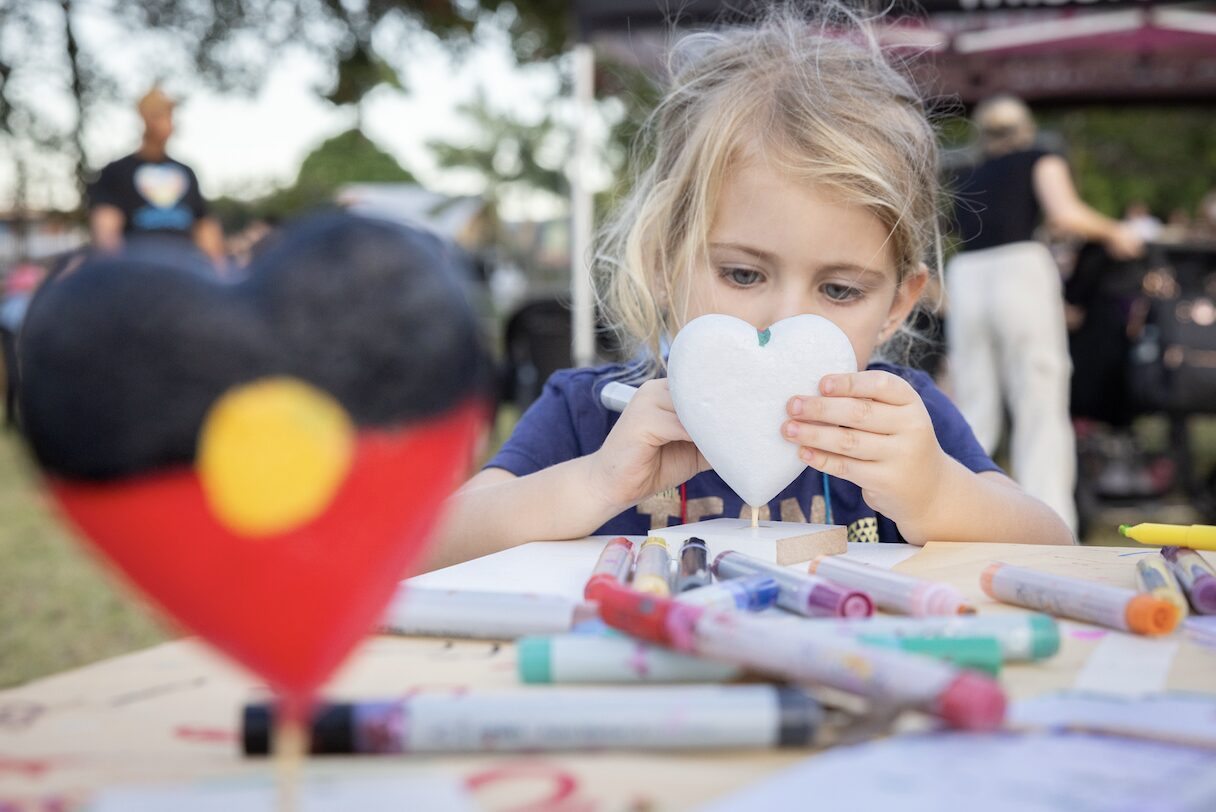
Creative arts, storytelling and therapeutic workshops.
-
Cultural connection and First Nations-led activities.
-
Healthy relationships, personal safety and empowerment programs.
-
Social connection, peer support and community participation.
Projects could be new initiatives or build on existing community activities. Applications were assessed on feasibility, potential impact, gender-transformative practice, value for money and geographic reach.
The program was delivered across two funding phases:
-
Phase One: June 2025 – March 2026, supporting 25 Neighbourhood Centres.
-
Phase Two: February 2026 – December 2026, providing targeted funding to an additional six Centres.
Results
The Women and Girls Health Promotion Program resulted in improved health and wellbeing outcomes for people in 31 communities, and demonstrated how flexible funding can support diverse, locally tailored approaches to health and wellbeing.
-
Projects delivered across diverse Queensland communities, including engagement with priority populations identified in the Queensland Women and Girls’ Health Strategy 2032.
-
Activities included menopause awareness events, teenage girls’ basketball camps, art therapy workshops, weaving circles, community storytelling projects and healthy relationships workshops.
-
Participating Centres reported improvements in health literacy, confidence, social connection, belonging and community cohesion.
-
New partnerships developed between Neighbourhood Centres, health providers, community organisations and local services.
-
Increased staff capability and confidence to integrate health promotion and gender equity into ongoing community development activities.
-
$299,000 in total project funding, including $260,000 distributed directly to Neighbourhood Centres.
-
31 Neighbourhood Centres funded across two rounds to design and deliver local health promotion initiatives.
-
Grants of $2,000–$20,000 supported projects shaped around local strengths, priorities and community interests.
Impact
The Women and Girls Health Promotion Program resulted in improved health and wellbeing outcomes for people in 31 communities, across a number of areas. Key impact themes for included:
Health Literacy & Wellbeing
-
Improved understanding of health issues, personal wellbeing and available support.
-
Increased confidence to seek health information and assistance.
-
Greater awareness of healthy relationships, personal rights and consent.
Empowerment & Confidence
-
Strengthened confidence, self-expression and personal agency.
-
Created opportunities for women and girls to develop skills, explore interests and build resilience.
-
Supported participants to recognise their strengths and make informed decisions about their wellbeing.
Social Connection & Belonging
-
Reduced social isolation through shared activities, creative workshops and community gatherings.
-
Strengthened relationships, peer support and community cohesion.
-
Created welcoming environments where women and girls could connect, share experiences and feel valued.
Cultural Inclusion & Connection
-
Supported culturally responsive and inclusive approaches to health promotion.
-
Created opportunities for First Nations women and girls to participate in culturally meaningful activities.
-
Recognised the importance of cultural identity, connection and community knowledge in supporting wellbeing.
Local Organisational Capability & Sustainability
-
Strengthened Neighbourhood Centres’ confidence and capability to deliver health promotion initiatives.
-
Developed new partnerships with health and social service organisations.
-
Established processes, relationships and approaches that can support ongoing activities beyond the funding period.
-
Increased understanding of how gender equity and health promotion can be embedded into everyday community development practice.
Testimonials
“I’m more confident in saying yes to things.”
— Participant, Teenage Girls’ Basketball Camp
“I feel motivated and encouraged to get more help. I really had just thought most of my symptoms was part of getting older and nothing could be done to improve my life.”
— Participant, Menopause Awareness Event
“I got to get in touch with parts of me who don’t have a voice.”
— Participant, Art Therapy Workshop
“One thing I learnt today was the boundaries around consent.”
— Participant, Teens and Tweens Workshop
“Through this project, our staff have gained the knowledge and confidence to continue supporting women and girls to understand their personal rights and develop strategies for responding when those rights are challenged.”
— Gailes Community House, Shark Cage Program
“We saw firsthand how effective health promotion is when it is community-led, culturally safe, and grounded in relationships rather than information alone.”
— North Burnett Community Service, First Nations Event
Funded By
This project was funded by Queensland Health through the Queensland Women and Girls Health Promotion Program.
Partners & Collaborators
The project was delivered in partnership with Queensland Health and participating Queensland Neighbourhood Centres.
Individual Centres also collaborated with local health providers, community organisations, cultural groups and other services to design and deliver initiatives responding to their communities.
Next Steps
The project highlights the value of continued investment in flexible, community-led health promotion that responds to the diverse needs and aspirations of women and girls.
Participating Centres have developed new skills, partnerships and approaches that can support ongoing health promotion activities beyond the funded projects.
Insights from the program can inform future approaches to community-based health promotion, gender equity and locally-led wellbeing initiatives across Queensland.
To learn more about the Women and Girls Health Promotion Program or explore future partnership and funding opportunities, please contact Neighbourhood Centres Queensland.
Project Details
Funding amount received: $299,000 across two funding rounds
Funding distributed to Neighbourhood Centres: $260,000
Individual grants: $2,000–$20,000
Project dates: June 2025 – December 2026
Project status: Final phase underway, concluding December 2026
When we use the terms ‘women’ and ‘girls’, we mean any person, regardless of their physical traits or characteristics, who identifies as a woman or girl. We also recognise that women’s health issues can impact people who do not identify as women.