
Context
Access to energy services is a basic human need, yet rising electricity costs and the complexity of the energy system can make it difficult for households to afford the cost of energy, understand their energy use and navigate complex energy matters.
These challenges are particularly significant for low-income households, renters, new migrants, people with language barriers, older people, people with disability and others experiencing financial hardship, who may face additional barriers to accessing information and available support.
As Queensland transitions towards a cleaner energy future, ensuring households have the knowledge, resources and support to navigate energy matters is increasingly important.
The Challenge
The energy system and billing can be complex, difficult to engage with, and changes over time.
Key challenges include:
- Rising electricity costs placing pressure on household budgets, with energy prices increasing annually.
- Difficulty understanding energy bills, electricity usage and available cost-saving measures.
- Complex processes for accessing concessions, rebates and hardship programs.
- Limited availability of practical energy information written in plain English or designed for diverse accessibility needs.
- Limited access to local energy advice and support, particularly in regional, rural and remote communities.
At the same time, Neighbourhood Centres are increasingly supporting people experiencing cost-of-living pressures, including those seeking assistance with electricity bills and energy-related financial hardship.
However, workers may not have access to the specialist knowledge, training and resources needed to provide practical energy information and support.
There is a need to make reliable energy information more accessible while strengthening the capability of trusted community organisations to share this knowledge with the households they support.
Opportunity
With 2.6 million visits to Queensland’s Neighbourhood Centres in 2025, Centres provide an extensive network of trusted, place-based organisations connecting community members with information, services and support.
As welcoming, non-judgemental community spaces, Neighbourhood Centres are often a first point of contact for people experiencing financial hardship, including those struggling with electricity bills and other cost-of-living pressures.
Their strong local relationships and experience supporting community members make them well placed to engage households in practical conversations about energy use, electricity costs and available assistance.
By equipping Neighbourhood Centres with specialist knowledge and accessible resources, Charge Up! created an opportunity to bring energy education directly into communities, helping ensure essential information reached households who might otherwise struggle to access it.
Our Approach
Funded by the Queensland Government, Charge Up! brought together Neighbourhood Centres Queensland (NCQ), the Queensland Council of Social Service (QCOSS) and Energetic Communities Association (ECA) to strengthen energy literacy.
The project engaged 20 Neighbourhood Centres across Queensland to deliver locally accessible energy education, combining specialist training, co-designed resources, community engagement and a central online learning platform.
Engaging Neighbourhood Centres & Communities
NCQ worked with QCOSS and ECA to engage participating Neighbourhood Centres and coordinate their involvement throughout the project.
This included working with Centres to understand existing energy issues and knowledge within their organisations and communities, organising community focus groups and supporting the co-design of practical household energy resources.
These activities helped ensure the resources reflected the diverse needs and circumstances of Queensland communities and could be used effectively within different Neighbourhood Centre contexts.
Training Local Energy Educators
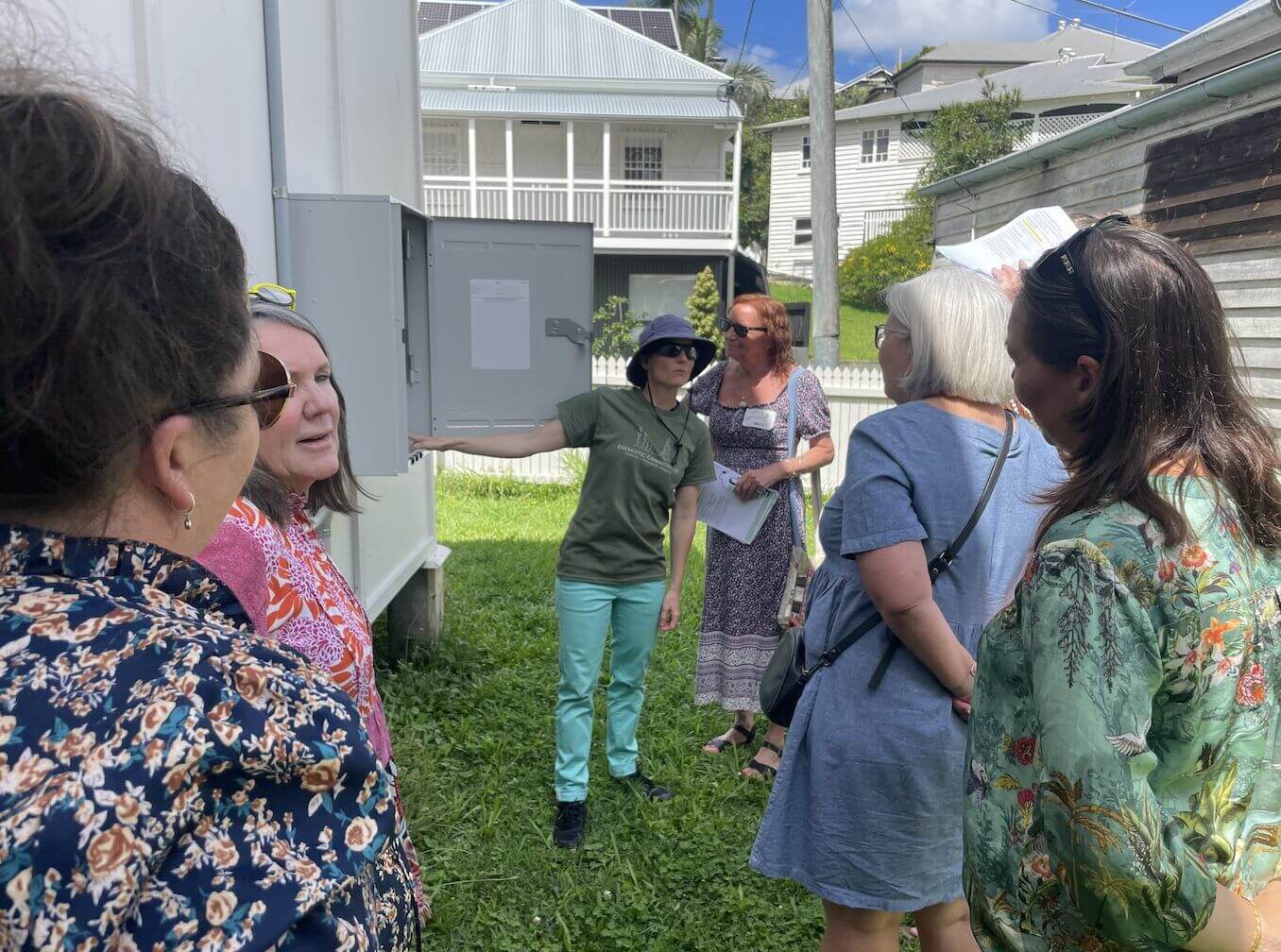
Twenty participating Neighbourhood Centres were supported to build their energy literacy knowledge and capability through specialist training facilitated in person by ECA.
The train-the-trainer approach equipped local workers with practical knowledge and resources to support community members in understanding electricity bills, managing energy use and navigating available assistance.
NCQ also developed and delivered a series of online communications and engagement workshops, supporting participating Centres to share energy information effectively through their existing community programs, relationships and networks.
Supporting Community-Led Energy Education
Participating Centres used their local knowledge and trusted community relationships to engage households in practical conversations about energy matters.
Energy education was integrated into existing community activities, including individual support, information sessions, community events and local partnerships.
This place-based approach helped make complex energy information more accessible by connecting households with practical guidance through familiar, welcoming and non-judgemental community settings.
Developing a Statewide Online Learning & Resource Platform
NCQ developed and delivered a dedicated online platform bringing together project resources, training recordings, upcoming events, reporting information and promotional and community education materials.
The platform provided participating Energy Educators with a central location to access the knowledge, tools and resources needed to support local delivery.
Following the initial rollout, NCQ extended access to energy education training and resources across Queensland’s broader Neighbourhood Centre network, making these materials available to approximately 150 Centres statewide.
This extended the project’s reach beyond the initial 20 participating Centres and created an ongoing resource for Neighbourhood Centre staff and volunteers supporting households with energy-related matters.
Results
Charge Up! strengthened the capacity of Queensland Neighbourhood Centres to provide accessible energy education and support within their communities.
Key project results include:
- 20 Neighbourhood and Community Centres formally activated to deliver local Charge Up! energy education activities.
- 20 professional staff trained as Energy Educators, providing locally accessible energy knowledge and support.
- Funding provided to 20 participating Centres to support local community engagement and education activities.
- Approximately 150 Neighbourhood Centres across Queensland provided with access to free energy education training and practical household resources.
- An online learning and resource platform developed by NCQ to provide ongoing access to training recordings, household resources and promotional materials.
- A suite of accessible, plain-English resources developed to help households understand electricity bills, energy usage, concessions and available support.
- Communications and engagement training delivered by NCQ to support locally tailored community education.
- Energy information shared through community workshops, events, partnerships and individual household support.
The project established a foundation for ongoing energy education across Queensland’s Neighbourhood Centre network.
Impact
Charge Up! demonstrated the value of connecting specialist energy knowledge with trusted, place-based community organisations to make practical information more accessible to Queensland households.
Making Energy Support More Accessible
- Created more accessible pathways to practical information about electricity bills, energy usage, concessions and hardship support.
- Enabled energy education to be delivered through familiar, non-judgemental community settings.
- Helped bridge the gap between complex energy systems and the everyday needs of Queensland households.
Strengthening Energy Literacy & Household Financial Wellbeing
- Supported households to better understand energy use, electricity costs and available assistance.
- Helped community members identify opportunities to manage energy consumption and reduce electricity expenses.
- Increased access to practical information that supports informed household energy decisions.
Building Workforce Capability
- Equipped Neighbourhood Centre workers with specialist knowledge and resources to respond to energy-related enquiries.
- Strengthened the capacity of participating Centres to incorporate energy education into everyday community support.
- Established a network of locally based Energy Educators able to share knowledge within their communities.
Strengthening Local Partnerships & Community Engagement
- Supported Centres to develop locally relevant approaches to energy education.
- Encouraged collaboration between Neighbourhood Centres, community organisations and energy sector specialists.
- Extended the reach of energy information through trusted local networks and existing community programs.
Building Sustainable Sector Resources
- Created an online platform for ongoing access to energy education materials.
- Extended training and resources beyond the initial 20 participating Centres to the broader Queensland Neighbourhood Centre network.
- Established reusable learning and communication resources to support future energy education activities.
Insights & Recommendations
Charge Up! highlighted the importance of building energy literacy within community organisations, rather than relying solely on specialist services or direct-to-consumer information.
The project demonstrated the value of combining accessible resources with local workforce training and community-led engagement.
Key considerations for future energy education initiatives include:
- Ongoing workforce development: Staff turnover creates a need for accessible training and induction resources to maintain organisational knowledge.
- Keeping information current: Changes to energy systems, concessions and support programs require regular review of education materials.
- Locally tailored engagement: Different communities benefit from flexible approaches that reflect local circumstances, accessibility needs and existing relationships.
- Sustained access to resources: Centralised online platforms can support ongoing learning and help organisations maintain access to practical information beyond funded project periods.
Funded By
The Queensland Government through the Enable Grants Program, a $10 million initiative supporting non-government organisations to deliver energy efficiency measures, education and advice to Queensland households experiencing vulnerability.
Partners & Collaborators
Charge Up! was delivered in partnership with:
- Queensland Council of Social Service (QCOSS)
- Energetic Communities Association (ECA)
- Participating Queensland Neighbourhood and Community Centres
Neighbourhood Centres Funded by the Project
While training and resources were made available to all 150 Centres across the state, 21 Centres participated in the project in a funded capacity. These Centres were engaged in co-design of resources, focus groups, in-person training, ongoing training, a regular community of practice, reporting and evaluation.
- Childers Neighbourhood Centre
- Gin Gin Neighbourhood Centre
- Maryborough Neighbourhood Centre
- Graham House Community Centre
- Blackall Neighbourhood Centre Hub
- East Creek Community Centre
- Mt Gravatt Community Centre
- Hinchinbrook Community Support Centre
- Burdekin Neighbourhood Centre
- Carinity Fassifern Community Centre
- Varsity Lakes Community Resource Centre
- Community Plus+ Yeronga Community Centre
- Kingston East Neighbourhood Group
- Caboolture Neighbourhood Centre
- Rosewood Community Centre
- Redland Community Centre
- Mareeba Community Centre
- Manoora Neighbourhood Centre
- Port Douglas Neighbourhood Centre
- Mount Isa Neighbourhood Centre
- The Neighbourhood Hub, Mackay
Additional project consultation and technical contributions included energy sector organisations, accessibility specialists and community representatives.
Next Steps
The training and resources developed through Charge Up provide an ongoing foundation for Neighbourhood Centres to support Queensland households with energy-related matters.
Centres are encouraged to access the online learning platform, incorporate energy education into their existing community support activities and share practical resources with households and local partner organisations.
Maintaining accessible, up-to-date energy information and supporting ongoing workforce learning will be important to sustaining the project’s benefits as energy systems and household needs continue to evolve.
Access Charge Up training and energy education resources through the online project platform.
Project Details
Project funding: Queensland Government Enable Grants Program
Funding amount: To be confirmed
Project dates: May 2024 – December 2025
Project status: Project delivery completed; training and resources developed for ongoing use
Project partners: QCOSS, Energetic Communities Association and participating Queensland Neighbourhood Centres